



Why Recycling Scrap Metal is Important for Dubai’s Environment

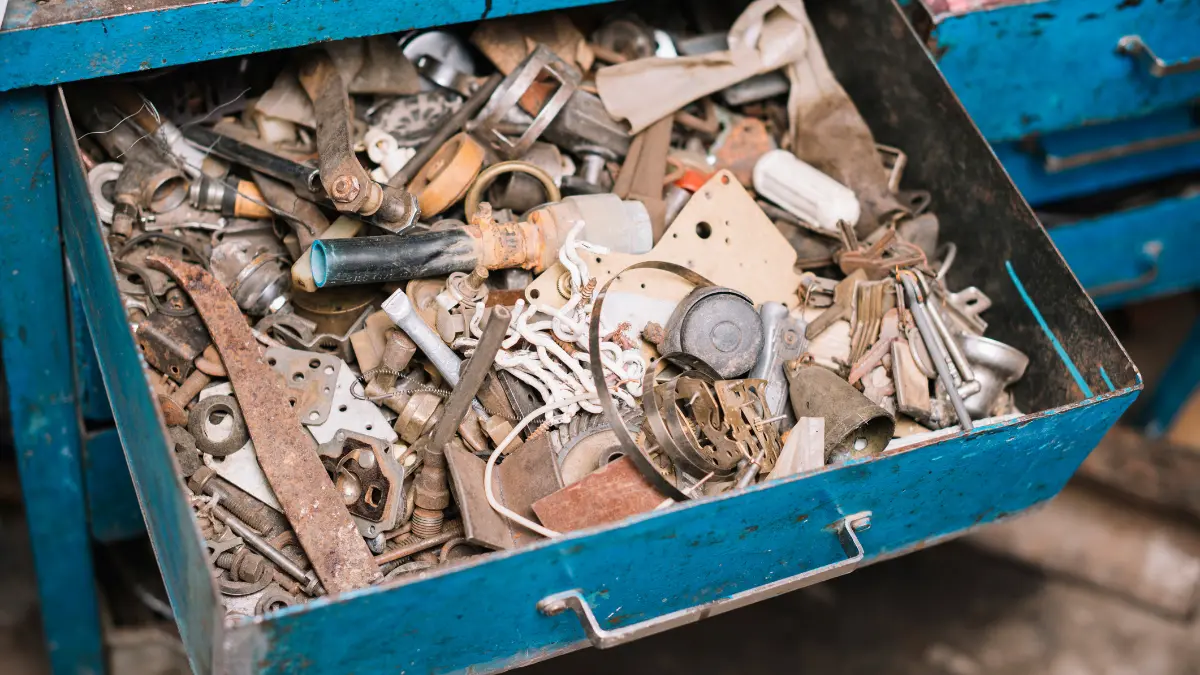
Dubai is growing rapidly with continuous construction, industrial development, and infrastructure expansion. Along with this growth comes metal waste from construction sites, factories, vehicles, appliances, and machinery. Recycling scrap metal is not just a business activity in Dubai — it is an environmental necessity.
This guide explains why scrap metal recycling is important for Dubai’s environment, how it supports sustainability goals, and why responsible recycling benefits businesses, residents, and future generations.
Understanding Scrap Metal Recycling in Dubai
Scrap metal recycling involves collecting, sorting, processing, and reusing metal waste instead of sending it to landfills. Common recyclable metals in Dubai include:
- Iron and steel
- Aluminum
- Copper
- Brass
- Old machinery and equipment
- Vehicles and industrial scrap
Dubai’s focus on sustainability and smart city initiatives makes recycling a key environmental priority.
Environmental Challenges Dubai Faces Without Recycling
Limited Landfill Space
Dubai has limited landfill capacity. Metal waste does not decompose and occupies valuable space for decades.
High Construction & Industrial Waste
Ongoing construction projects generate large amounts of scrap metal that can harm the environment if unmanaged.
Energy-Intensive Metal Production
Producing new metal from raw materials consumes massive energy and releases harmful emissions.
Recycling directly addresses these challenges.
How Recycling Scrap Metal Protects Dubai’s Environment
Reduces Landfill Waste
Recycling keeps heavy metal waste out of landfills, reducing soil contamination and long-term environmental damage.
Saves Natural Resources
Recycling metals reduces the need for mining raw materials such as iron ore, bauxite, and copper.
Lowers Carbon Emissions
Producing metal from recycled scrap uses significantly less energy, which helps reduce greenhouse gas emissions.
Energy Savings Through Scrap Metal Recycling
Recycling metals saves a huge amount of energy compared to manufacturing from raw materials.
Energy Benefits by Metal Type
- Aluminum recycling saves up to 95% energy
- Steel recycling saves around 60–70% energy
- Copper recycling saves about 85% energy
Lower energy use means fewer emissions and a cleaner environment for Dubai.
Supporting Dubai’s Sustainability Vision
Dubai aims to become one of the world’s most sustainable cities. Scrap metal recycling supports this vision by:
Aligning with Green Policies
Recycling helps meet environmental regulations and sustainability goals set by UAE authorities.
Promoting Circular Economy
Instead of disposing of metal waste, recycling keeps materials in use, reducing environmental pressure.
Encouraging Responsible Business Practices
Industries that recycle scrap metal show commitment to environmental responsibility.
Reducing Air, Soil & Water Pollution
Improper disposal of scrap metal can release harmful chemicals into the environment.
Environmental Protection Benefits
- Prevents toxic leaks into soil
- Reduces water contamination
- Minimizes air pollution from metal processing
Recycling ensures metals are handled safely and responsibly.
Economic & Environmental Benefits Combined
Scrap metal recycling benefits both the environment and the economy.
Environmental Gains
- Reduced pollution
- Conservation of natural resources
- Lower carbon footprint
Economic Gains
- Creates jobs
- Generates revenue from waste
- Supports local recycling businesses
This balance makes recycling a sustainable long-term solution for Dubai.
Role of Individuals & Businesses in Recycling
For Households
- Recycle old appliances and electronics
- Sell unused metal items instead of discarding them
For Businesses & Industries
- Partner with licensed scrap metal buyers
- Implement waste segregation systems
- Ensure proper disposal of industrial scrap
Every contribution helps reduce environmental impact.
Why Licensed Scrap Recycling Matters
Working with licensed scrap buyers ensures:
Responsible Recycling
Licensed recyclers follow environmental and safety standards.
Legal Compliance
Proper documentation and waste handling protect businesses from penalties.
Environmentally Safe Processing
Certified facilities ensure metals are recycled without harming the ecosystem.
Future Impact of Scrap Metal Recycling in Dubai
As Dubai continues to grow, recycling will become even more important.
Long-Term Environmental Impact
- Cleaner air and land
- Reduced resource depletion
- Sustainable urban development
Recycling today ensures a healthier environment for future generations.
Conclusion
Recycling scrap metal is not optional — it is essential for Dubai’s environmental sustainability. From reducing landfill waste and saving energy to lowering pollution and supporting a circular economy, scrap metal recycling plays a vital role in protecting Dubai’s future.
By choosing responsible recycling practices, individuals and businesses can actively contribute to a cleaner, greener, and more sustainable Dubai.
Frequently Asked Questions (FAQs)
Why is scrap metal recycling important in Dubai
Due to rapid development and limited landfill space, recycling helps manage waste and protect the environment.
Does recycling scrap metal reduce pollution
Yes, it significantly reduces air, soil, and water pollution caused by improper disposal and raw material extraction.
Which metals are most commonly recycled in Dubai
Steel, aluminum, copper, brass, iron, and industrial machinery scrap are widely recycled.
Is scrap metal recycling energy efficient
Yes, recycling uses far less energy than producing metal from raw materials.
Can businesses benefit from recycling scrap metal
Yes, businesses earn revenue while meeting environmental and legal responsibilities.